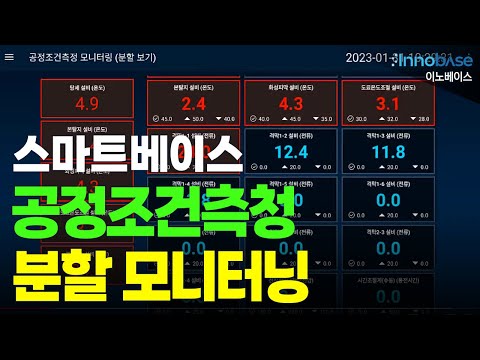
A device built into the design of a process to prevent human error during production is called an "error-proof" or "idiot-proof" system. The suffix "-proof" carries the meaning "prevents ~," embodying the concept of stopping a worker from making a mistake in the first place.
Starting from the premise that anyone can make a mistake, Error-Proof and Idiot-Proof are safeguards built to keep that mistake from turning into a defect or an accident.
Originally a simple physical design approach, the concept has now evolved into a sophisticated system that automates equipment and incorporates data to carry out inspection and judgment as well.
It's also used more broadly as a way to prevent the related concept of human error, spanning mistake-prevention systems across the entire manufacturing floor.
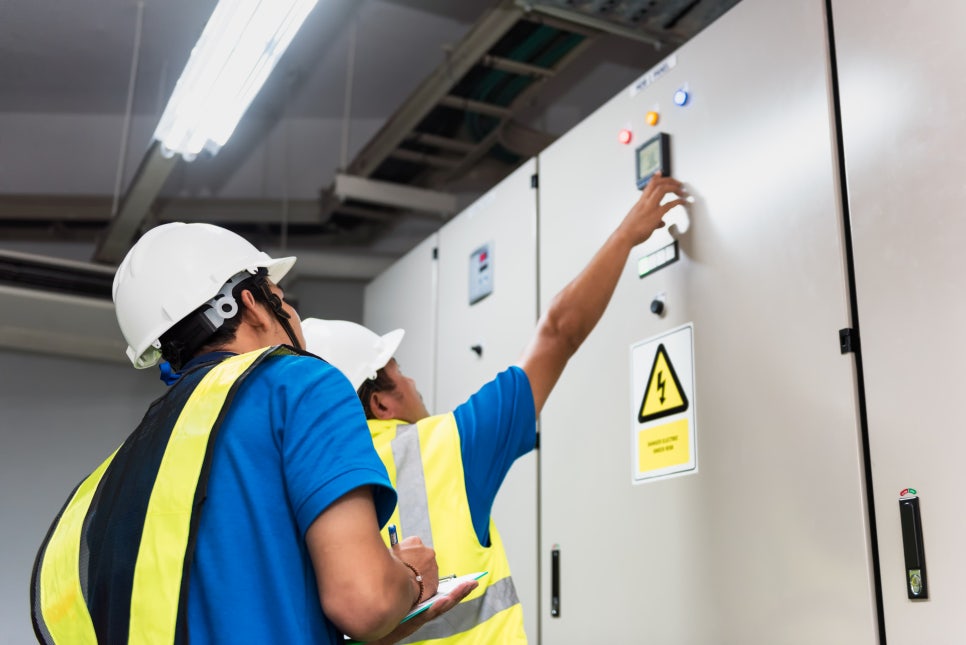
Going further than simply reducing the chance of errors at individual pieces of equipment, Error Proof has become a core element of the smart factory — one that detects problems accurately and quickly, and takes action in real time.
The key is stopping equipment from operating, or blocking it from moving to the next process, at the source whenever work isn't carried out in the defined sequence and conditions.
Beyond detecting and preventing quality issues before they occur, root causes can be traced immediately when a problem does arise — delivering a range of benefits including lower defect rates, higher productivity, and improved customer satisfaction.
For Error Proof to work properly, the key is identifying situations where humans are prone to mistakes in advance, then building in a mechanism that either blocks the mistake at the source or catches it immediately.
It's effective to combine, as the situation calls for, a preventive approach that physically blocks mistakes starting at the design stage, with a detective approach that immediately catches a mistake and stops it from moving on to the next process.
Whatever equipment alone can't fully resolve is supplemented with standard operating procedures (SOPs) and training, with continuous monitoring used to find areas for improvement — this is the core of running Error Proof.
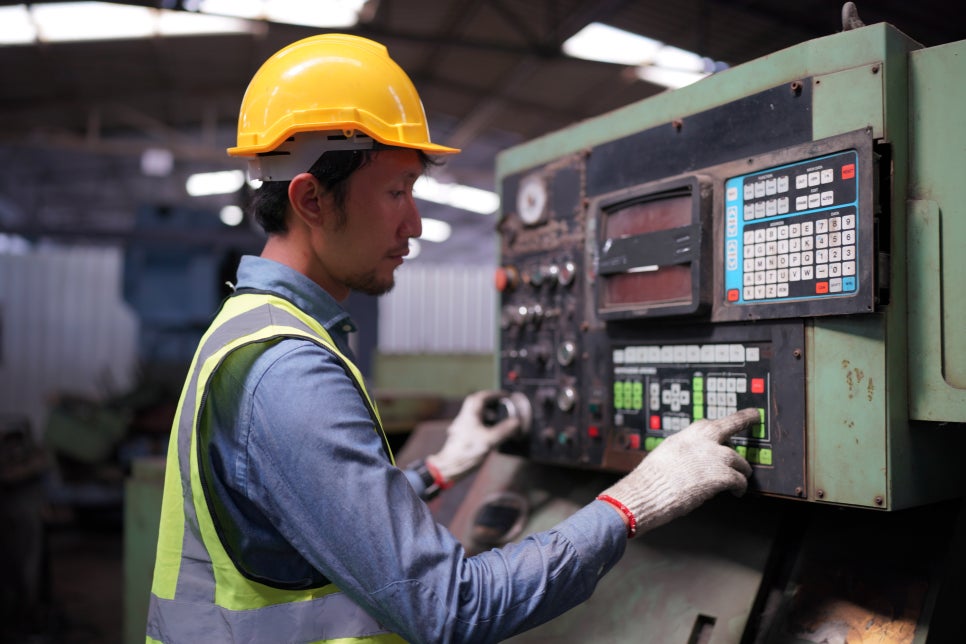
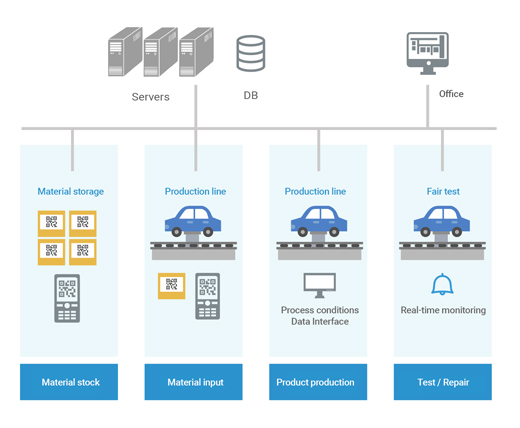
Process-condition data is monitored in real time and its history is managed, with data automatically saved to the server; when an NG (not-good) event occurs, an alarm is sent to the staff and manager in charge so it can be handled quickly.
The key is blocking defects from escaping the line at the source.
Real-time Monitoring
 Blog
Blog YouTube
 Naver TV
 Naver Clip