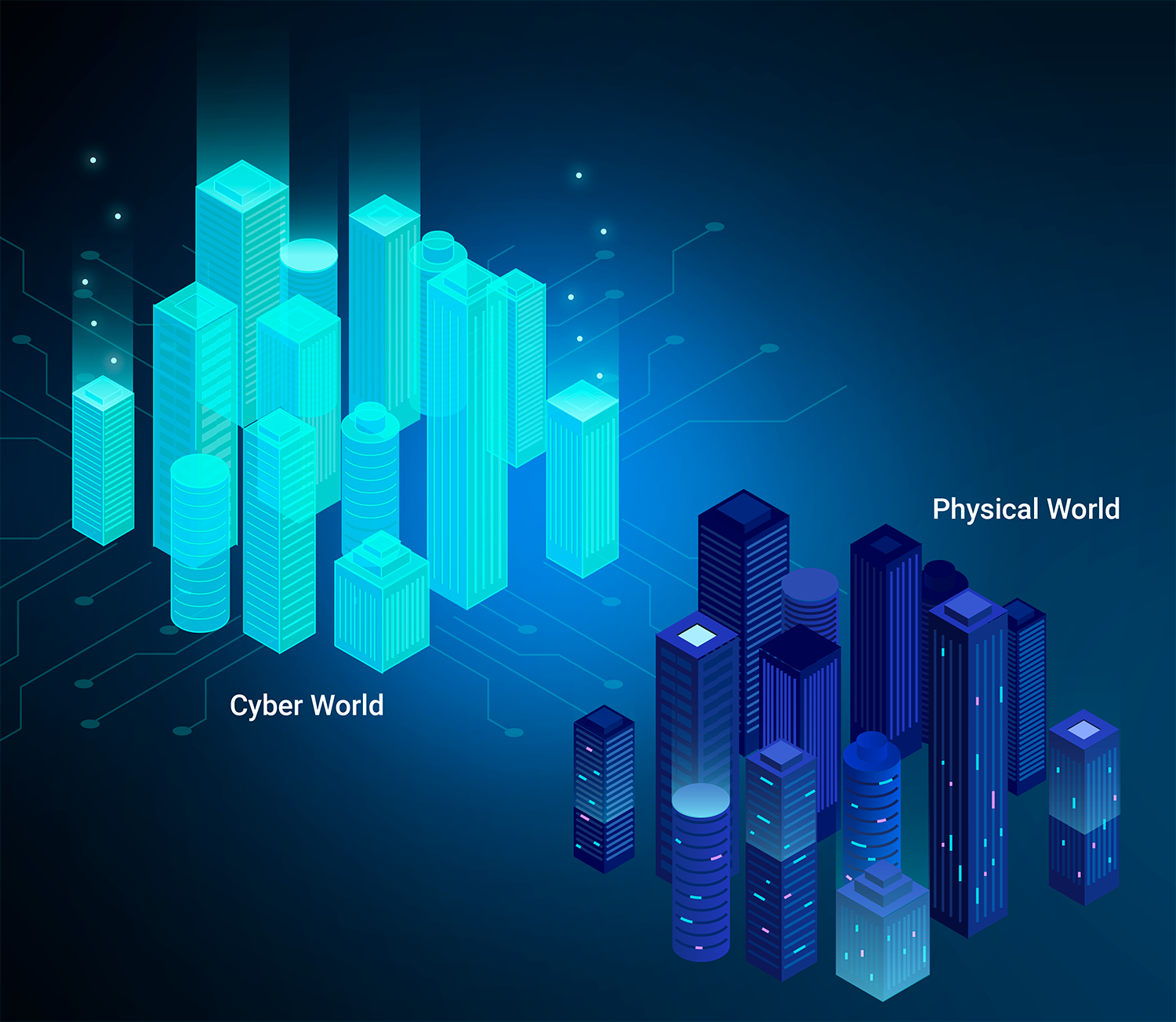
Using global technology and global edge devices, we build real-time DT (Digital Twin) & data, deployable quickly and conveniently through an intelligent platform and SaaS.
Built on proprietary global technology (Eurosim, ElasticBox, and more), the architecture is designed to process large volumes of real-world data in real time.
Edge computers are used to aggregate data between equipment and systems, with unified control via industry-standard protocols such as MQTT and OPC UA.
Data spanning everything from equipment operating status to quality and safety is visualized in real time, supporting fast decision-making on the floor.
Smartbase Deployment Cases
Designing a model of a real-world system, and then using that model to evaluate various goals of system operation or run experiments to understand how the system behaves, is called simulation modeling. It's the overall process of building a model that mimics a real system, diagnosing problems through simulation, and generating the data needed to develop alternatives.
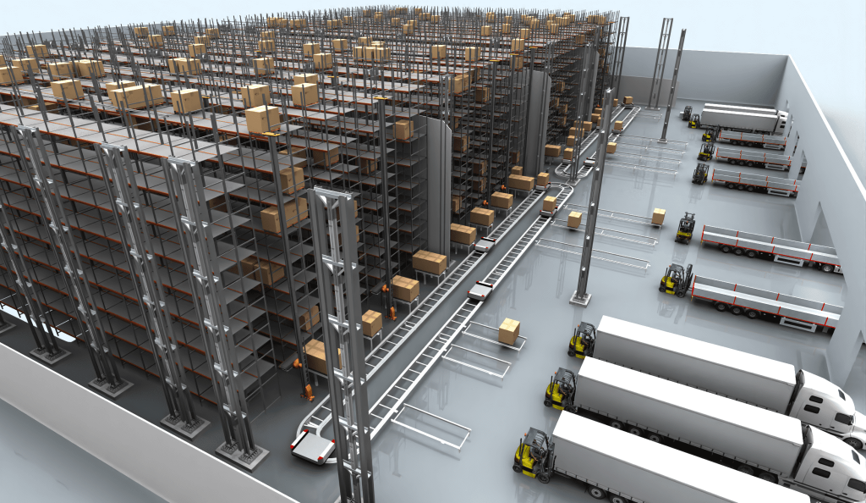
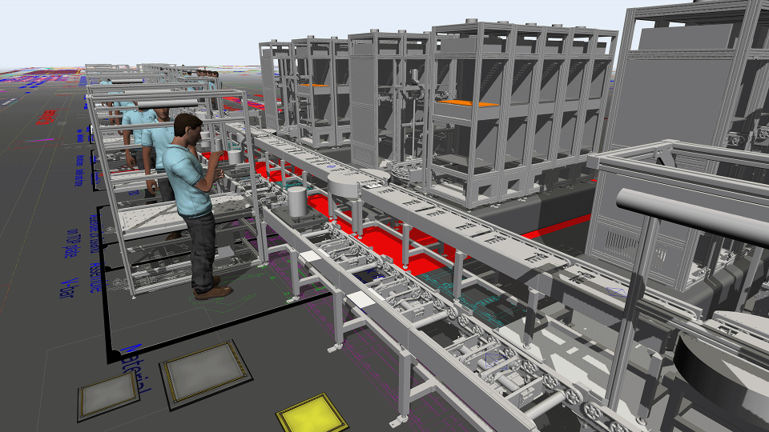
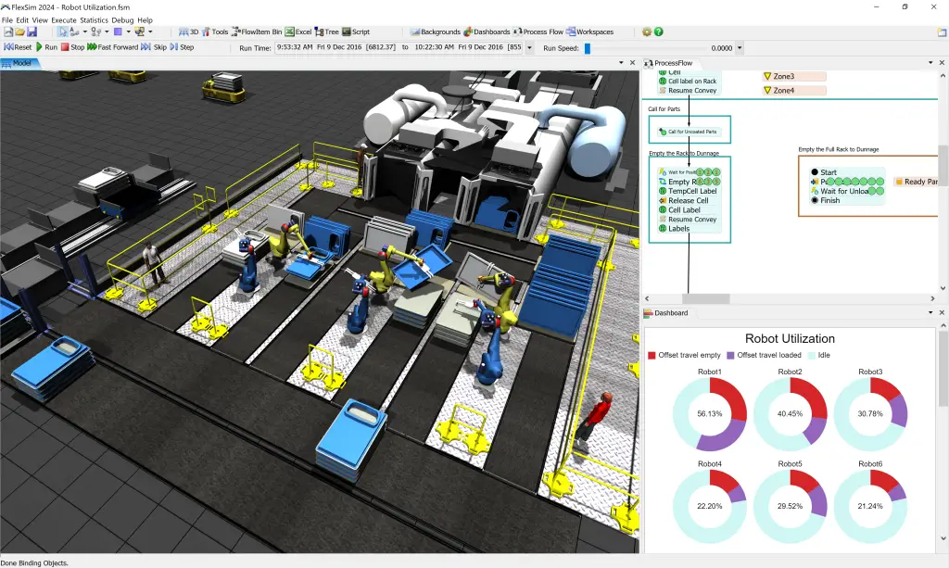
3D simulation means replicating a company's overall activity — production, logistics, layout, and more — in a three-dimensional virtual space. By modeling the data required for simulation and running it with configured variables, you can identify and optimize potential problems before building the actual system.
By reflecting internal and external conditions — factory layout, operating algorithms, input/output volumes, and more — a realistic 3D environment is constructed, and the results can be applied directly to real decision-making.
Going further, the data obtained through simulation can be extended into a digital twin that performs real-time monitoring and forecasting as well.
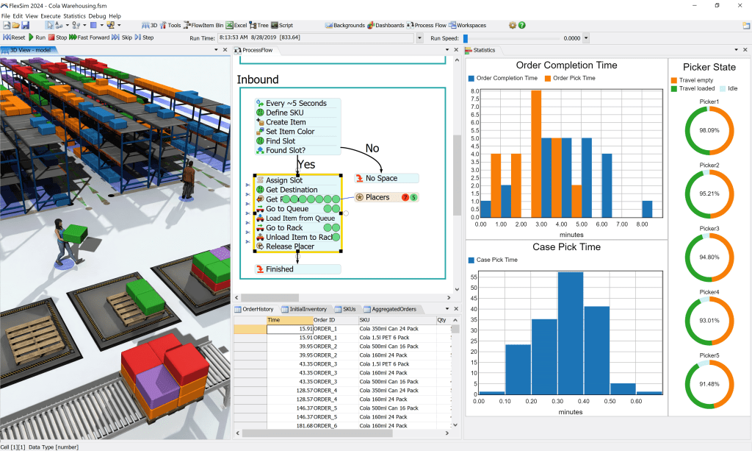
Performance Measure Analysis
Analyzes the various performance measures produced by simulation runs — processing time, queue input/output, equipment utilization rate, and more — to identify bottlenecks and suggest directions for process improvement.
 Blog
Blog YouTube
 Naver TV
 Naver Clip