
TFI is,
Together with Innobase, we have computerized all stages, from development planning to product shipment, and have promoted the advancement of smart factories, including project management systems, MES, and QMS, to improve work efficiency, quality, and customer satisfaction.

Company: TFE
- Company type: Small and medium-sized enterprise, KOSDAQ listed
- Industry: Other electronic components manufacturing
- Products/Business: Manufacturing of electronic components (COK, board, test socket)
Founded in 2003, TFE provides total solutions for the semiconductor device manufacturing process, encompassing the test process, which includes individual performance testing and interaction testing with peripheral components, following the semiconductor device assembly process. The test process is a critical step in determining the quality of the final device. Each subprocess shares common characteristics: test systems, test handlers, and test resources required for mass production. TFE supplies all test resources required for these four subprocesses.
Test resources are non-standard items that require customization based on the device's external appearance, electrical performance, and functionality. Among the three key elements of the semiconductor device test process, continuous investment is crucial. This area is crucial for both purpose-built development and mass production, as well as for the organization and scale required for project execution and experience. Test resources consist of three components: the test board, test socket, and circuit-on-chip (COK). TFE is the only company in Korea to supply all three test resources to all four subprocesses, establishing a unique position. In particular, in the memory and system semiconductor markets, which account for over 90% of the overall semiconductor market, we serve as a bridge between domestic and international semiconductor design companies, mass production companies, and semiconductor assembly and testing contract companies, securing them as key clients and providing our differentiated testing solutions. Furthermore, to align with the vitality and development of the domestic and international semiconductor industries, we have acquired international standard certifications such as ISO 9001, 14001, 45001, and 27001, striving to strengthen our international competitiveness in areas such as quality, environmental safety, occupational health, and information protection.
TFE's task
TFE, which holds over 90% of the overall semiconductor market, serves as a bridge between domestic and international semiconductor design, mass production, assembly, and testing contract companies in the memory and system semiconductor markets. As a key customer, TFE provides differentiated test solutions to key semiconductor industry specialists. However, as the only company in Korea capable of supplying three test resource components to all four subprocesses within the semiconductor device manufacturing process, the semiconductor market's expansion has led to a growing need for project management, further increasing the need for quality and on-site process management.
Due to insufficient version control systems for documents and drawings, schedules, and deliverables, TFE was manually managing design change information, items, and E-BOM information, and manually entering design results into the downstream process system. Furthermore, since all processes, from work orders to shipment, were performed manually, real-time operational status was impossible. The lack of a management system for facilities, inventory, yield, and quality led to manual entry of data on raw material receipts and shipments and performance data for each inspection process, resulting in significant work losses. In particular, this type of manually managed data was not easily shared, making it difficult to develop solutions, leading to complex problems.
To address these challenges comprehensively, TFE, led by Innobase, pursued the development of a systematic management system and a real-time operating system.
How Innobase Supports TFE
TFE's high-level processes and technological prowess placed significant emphasis on establishing a project management system and on-site process management system. This included managing the version and history of drawings and documents to reduce errors, managing information and schedules to shorten lead times, strengthening information linkages from production to purchasing management, enhancing information security, and improving work productivity and quality. This was a significant challenge and required a strengthened structure (flow) to address.
Project Management
First, let's consider drawings, documents, and schedules. Previously, project schedules were manually managed by the project manager using Excel, making it difficult to grasp the current status of the schedule. Furthermore, project-related drawings, documents, deliverables, and other materials were stored in folders on a NAS server. To check the content or changes of a specific document, the only way to do so was to open the file directly. This presented a particular challenge: certain files, such as 3D drawings, could not be viewed without a 3D CAD application. To address these issues, Innobase and Jikyeong Solutiontech actively considered implementing a PLM system. First, the project schedule was computerized, and a status board allowed for monitoring project progress. Computerization of documents facilitated version management. All documents, including 2D drawings, were converted to PDF files for previewing. 3D drawings could also be viewed online using a 3D CAD viewer.
In addition, considering the situation where omissions or errors in sending and receiving occurred due to the method of collating and distributing drawings by email, and where distribution history was not managed, even the issuance and distribution of drawings were computerized, and drawings were distributed after approval through the system, enabling automatic history management for approval and distribution. The list of design changes that had been managed manually was also computerized, and the details of design changes were shared by email, thereby solving the problem of omissions or errors in sending and receiving design changes. By linking them with drawings and documents, the time required for this was reduced and accuracy was improved. Similarly, errors in items and E-BOMs that occurred due to manual management were computerized for approval and version management, and by enabling real-time linking of E-BOM information with MES, the error rate was reduced and the risk of project delays was prevented in advance.
Purchasing, ordering, inventory, production, facilities, sales, shipping
Most of TFE's work was conducted manually. Order receipts, shipments, and related data management, material requirements planning (MRP), material ordering, material receipt, inventory (parts and products), and purchase and sales management were all uniform. Therefore, Innobase implemented a standard manufacturing process and computerized its operations. This system enabled project-specific order management, linked the electronic bill of materials (E-BOM) for each product to the Manufacturing Execution System (MES), and enabled MRP deployment, purchase orders, material receipt, inventory management, and purchase and sales closing summary management. In particular, implementing maintenance, repair, overhaul (MRO) management and real-time inventory management through the system not only improved data reliability but also operational efficiency.
Real-time collection and monitoring of facility information
The lack of a management system capable of collecting and monitoring equipment information in real time resulted in significant work losses. In particular, the absence of a preventative maintenance system forced manual maintenance procedures. Furthermore, the lack of an alarm system hindered the detection of process condition threshold exceedances, hindering manufacturing stability and quality improvements. Innobase implemented a real-time equipment information monitoring and alarm system based on standard manufacturing process operations. This system provides real-time production progress information for each product and alerts when process conditions exceed thresholds. The primary focus was on implementing a mis-insertion prevention system linked to the equipment interface, which prevented manufacturing defects in advance and identified worker errors, reducing defects and increasing productivity.
Furthermore, the real-time equipment information collection and monitoring system automatically collects production performance and equipment measurements, enabling real-time monitoring of equipment status. This system also ensures consistency between aggregated data and measurements, improving work efficiency. In particular, securing information visibility led to an increase in facility operation rate, which increased by approximately 5% compared to before construction. In addition, real-time sharing and alarms of preventive maintenance information led to securing manufacturing stability and improving quality, resulting in a reduction in process defect rate by approximately 60%.
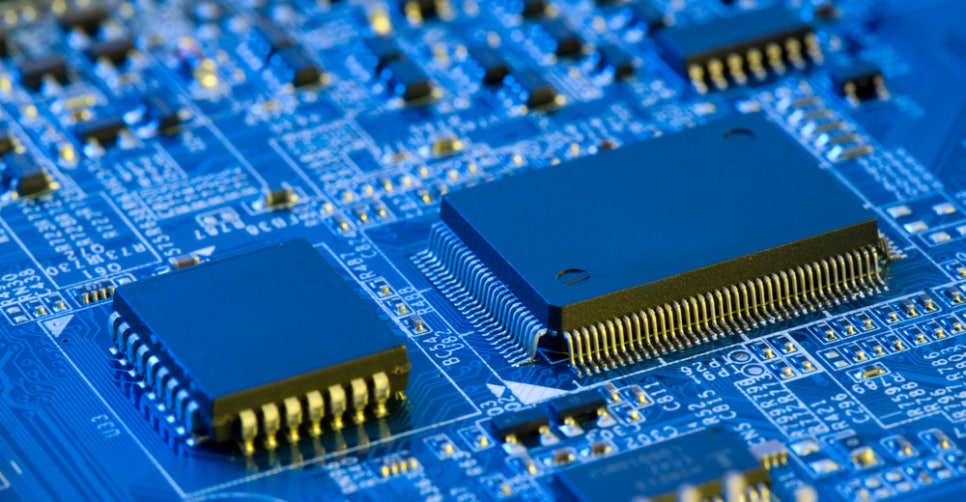
Rapid monitoring of performance against production plans
This has also brought about significant changes in production management. Previously, manual BOM management led to excessive time and delays in establishing material requirements against production plans. In particular, the inability to manage production lots hindered tracking and management, and managing materials used against production lots was also difficult. To address this issue, Innobase installed operational equipment on servers and in the field and established an MES (Managing Systems) system (MSE) to enable real-time collection and sharing of field information. In particular, considering that the existing MES solution was not being used due to inconvenient factors such as excessive time spent keying in downtime, we implemented user-friendly settings for industry and company categories, allowing users to input downtime using a barcode or touchpad. For processes such as COK, socket, and board, PLC equipment was introduced to enable manual input of production times, quantities, and conditions, which were previously entered manually, to be collected in real-time via a Gathering P/C interface. This enabled efficient lot management and improved productivity.
Real-time collection and monitoring of quality information
Traditional TFIs relied on manual input and registration of measurement values, inspection information, and inspection reports. This inevitably led to data inconsistency and reduced work efficiency. To address this, Innobase implemented a standard manufacturing process operating process to establish a real-time quality information collection and monitoring system. This system automatically collects and analyzes quality data, enabling the sharing and management of incoming inspection, process inspection, shipping inspection, defective product, and claim information. This reduced the process defect rate, leading to improved manufacturing stability and quality.
TFE and Innobase,
Semiconductor testing processes are becoming increasingly important as miniaturization and integration advance. TFE is the only company in Korea that supplies all of the core resources used in semiconductor testing: test boards, test sockets, and change-over kits (COKs). With the recovery of the memory semiconductor industry and the gradual resumption of non-memory investment, the need for systematic risk management has also increased for TFE.
Accordingly, Innobase prioritized these tasks. We established a real-time operating system covering the entire process, from work instructions to shipment; a facility, inventory, yield, and quality management system; and a line operation status management system. We also ensured data integrity and eliminated work loss through real-time collection and monitoring of inspection performance data. In particular, the automated system prevented omissions in inspection and calibration, thereby preventing incorrect quality judgments, leading to improved quality and customer satisfaction. Furthermore, the systematic management of first-party, second-party, and third-party audit history and improvement measures enabled us to effectively and efficiently pursue continuous improvement activities.
Innobase is one of the suppliers registered with the Smart Manufacturing Innovation Promotion Group.Excellent company in competency diagnosisWe are a specialized solutions provider for the manufacturing industry, selected by Innobase.
Beyond system implementation, we also provide expert consulting services to understand each company's unique production processes and ensure optimal system integration with each facility.
Beyond solution implementation, we also proactively maintain and maintain rigorous security plans and guidelines to protect our customers' information and prevent leaks. We invite you to experience Innobase's dedication to the qualitative growth of your business.