The concept behind RFID has been around for quite some time. It's traced back to "IFF" (Identification, Friend or Foe), developed in the UK in 1939. Early tags, however, were large and expensive, keeping the technology from commercial use — it wasn't until further technological advances that RFID became widely adopted, bringing it to where it is today.
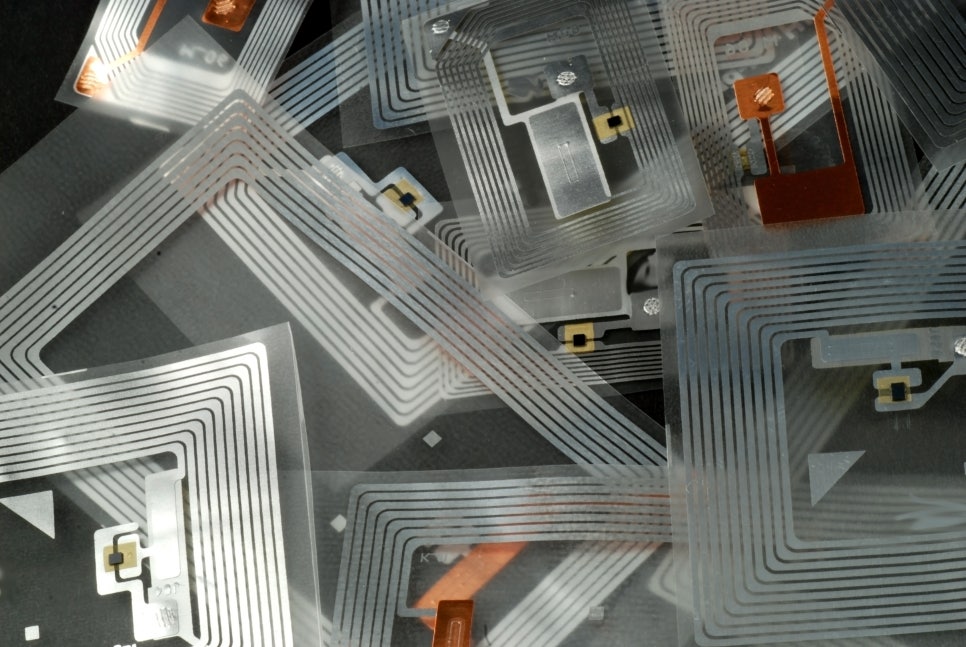
According to the Central Radio Management Service, RFID (Radio Frequency Identification) is a technology that attaches an electronic tag carrying a unique code to an object and uses radio signals to recognize and identify information about that object. It also goes by names such as wireless identification, e-tag, smart tag, and electronic label. It typically consists of a tag, a reader (or interrogator), and a database — the tag itself contains a microchip and antenna, which transmit a unique identifier to the reader device in response to the reader's radio signal.
While it may look similar to a barcode at first glance, a barcode recognizes a product using light, whereas RFID uses radio waves to recognize a tag from a distance without contact — even on objects moving at high speed. This is precise enough to receive data even when another object is placed in between. Because it enables item tracking without contact or line of sight, and can integrate with networks, it's put to good use across a wide range of applications, including supply chain management, retail, logistics, manufacturing, asset management, healthcare, defense, and security.
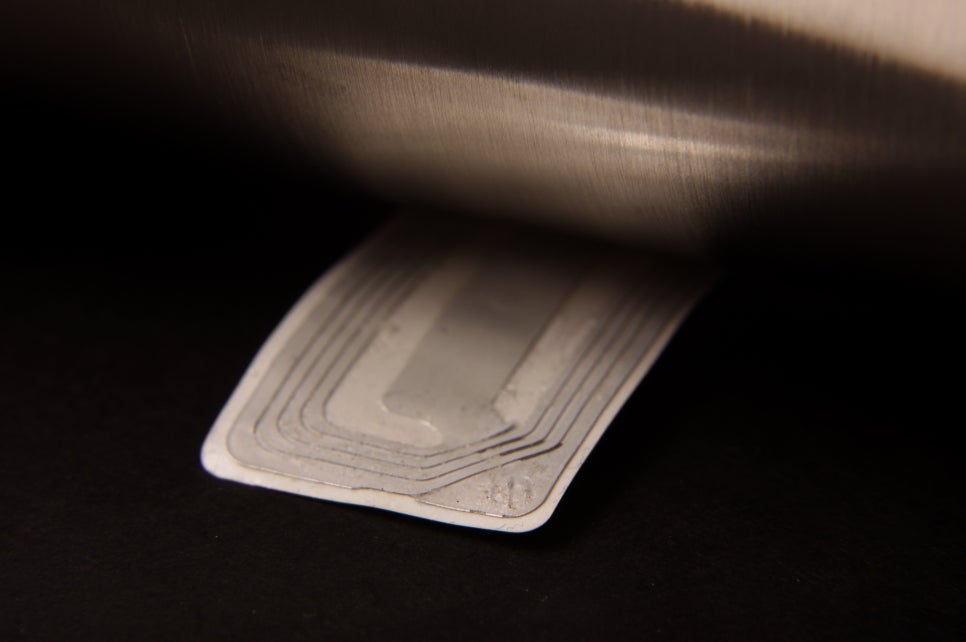
RFID tags are classified into various types depending on the criteria used. Because each type of RFID tag has its own distinct functional advantages, it's important to choose the tag type suited to the specific situation and conditions at hand.
As explained above, RFID quickly recognizes tag information without contact. Because it can penetrate obstacles between the reader and the object being identified, it can be used even in dirty or harsh environments, while enabling efficient, real-time tracking and location detection. Compared with manual processes and even barcode scanning, it enables faster, more accurate data collection, reducing data-entry errors. This makes it possible to catch product defects early and improve quality, or quickly identify the cause when a problem does occur — cutting overall costs in resources and labor. RFID readers and tags can also exchange encrypted data, allowing access to secure areas, facilities, and data to be controlled and reinforcing security. Because the tags cannot be forged or tampered with, their security capability is outstanding.
Manufacturing
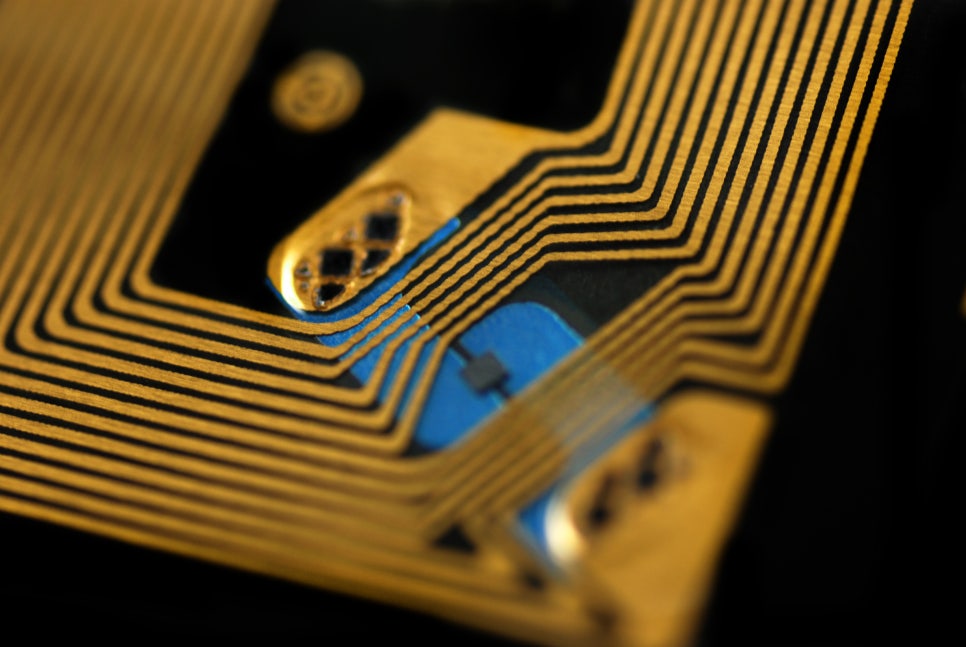
In manufacturing, RFID has become an indispensable tool — attaching RFID tags to products to track production lines, monitor inventory, maintain equipment, and optimize production processes. In particular, attaching RFID tags to parts and finished goods allows real-time monitoring of their movement from production through delivery, reducing the risk of errors and improving efficiency.
Automotive Industry
In the automotive industry, RFID drives process automation at the manufacturing and production stage, supports quality control for issues such as temperature changes and leaks, and is used broadly across the industry — including enhancing brand value through authentication and protecting driver safety.
Distribution & Logistics
Attaching RFID tags to goods tracks their movement between distribution centers, greatly improving the visibility and efficiency of the supply chain, while readers make it easy to track inventory in real time. This visibility into product movement and inventory management enables a swift response to shifts in demand, ultimately securing an edge in market competition.
Retail
RFID tags help customers easily find the products they're looking for and allow discounts or promotions to be applied automatically. They're also useful for automatically counting purchased items and providing checkout information, even without dedicated staff on hand.
 Blog
Blog YouTube
 Naver TV
 Naver Clip